You’ve seen the video. Some creator you follow just moved from Canon to Sony, or Sony to Nikon, and suddenly their footage looks incredible. The colours. The autofocus. The dynamic range. And now you’re on your fourth tab comparing specs, wondering if your current system is actually holding you back.
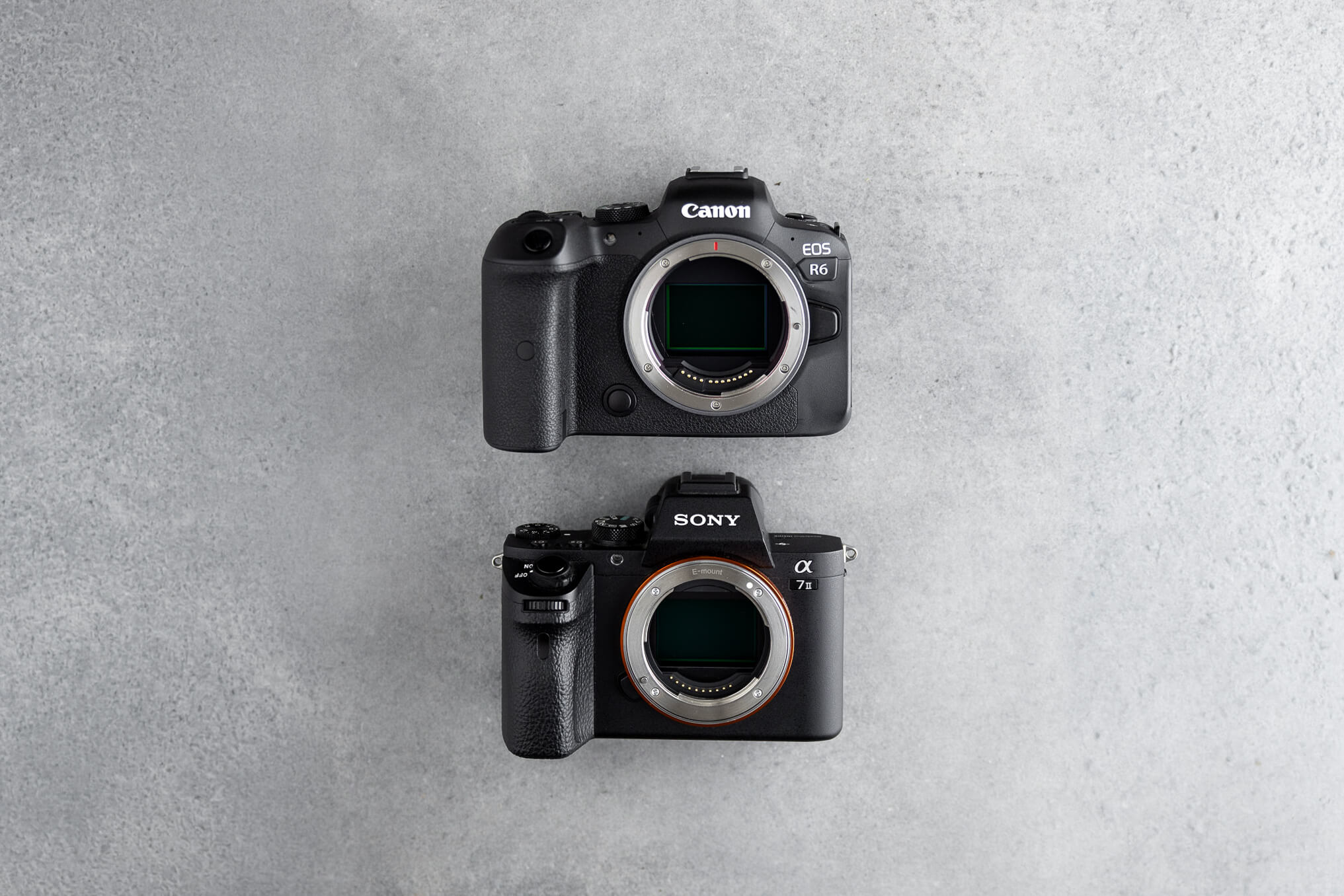
I’ve been there. Multiple times. I’ve owned Canon, Sony, and Lumix systems at the same time, juggled two mounts, bought duplicate lenses, dealt with adapter autofocus that would randomly give up mid-shoot. I did all of it in search of the one setup that would finally feel right.
Here’s what I actually learned: switching camera systems almost never solves the problem you think it does.
Every Other System Always Looks Better
There’s a pattern I noticed after years of this. A new camera gets released, the reviews land, and suddenly everyone who doesn’t own it starts to feel like they’re missing out. The specs look better on paper. The sample footage is impressive. Three creators you watch switch over, and now it feels like your system is falling behind.
It isn’t.
What you’re experiencing is the honeymoon phase, and it affects everyone. When you switch systems, everything feels new and exciting. New lenses to research. New menus to learn. New colours to grade. For the first few months, shooting is fun again. Then six months pass, you’re comfortable with the camera, and you start noticing what the other system does better. The cycle starts over.
I’ve had this conversation with friends almost every year. “Have you seen the new Sony? The autofocus is insane.” “Fuji’s colour science is just different.” “Nikon’s sensor latitude is unreal.” And it’s true. Every system has something the others don’t. That’s the problem. There will always be a reason to look.
The cameras released since 2020 are so close to each other in real-world performance that most differences can’t actually be measured in your work. That’s not a complaint. It’s a sign that the gear stopped being the limiting factor a while ago.
What Switching Actually Costs You
The financial cost is obvious. Selling your lenses at a loss, buying new ones at full price, picking up adapters and accessories that don’t carry over. A full system switch can easily cost you two to four thousand euros once everything is accounted for, even when you sell everything you had.
But there’s a less obvious cost: time. You lose the fluency you built with your current system. The muscle memory of your menu layout, knowing exactly how your camera handles in low light, understanding how your lenses render. That takes months to rebuild with something new. During that time, you’re slower, less confident, and probably producing slightly worse work than before the switch.
There’s also the opportunity cost. That money spent on a new system could have gone toward a genuinely better lens for the system you have. Good glass makes a more visible difference to your images than switching brands. Every time.
Does Switching Camera Systems Improve Your Photos?
Rarely. And almost never in the way you expect.
I’ve shot on old Canon bodies — a 5D Mark II, a 1D Mark III — and there were times the photos were indistinguishable from what I was getting on much newer cameras. The sensor matters less than you think for most photography. What matters is glass, light, and knowing your camera well enough that you’re not thinking about it while you shoot.
Switching systems gives you a placebo boost. Everything is fresh, you’re paying close attention, you’re experimenting more. Your photos might actually improve for a while. But that’s engagement, not equipment. You could get the same effect by shooting a new subject or committing to a project with your current kit.
If your photos aren’t where you want them, a different sensor probably isn’t the answer.
When It Actually Makes Sense to Switch
There are real reasons to change systems. They’re just more specific than “the other one looks better.”
If you shoot a lot of video and genuinely need internal RAW recording, and your current camera doesn’t offer it with no realistic upgrade path, that’s a concrete reason. If you need the smallest possible setup for travel or run-and-gun work and your current system physically can’t get there, that’s a reason. If you work with clients or collaborators who require a specific format or codec and your camera can’t deliver it, switch.
The test is simple: can you name the exact thing your current system cannot do, that you actually need for your work, with no workaround? If yes, consider switching. If the answer is more like “the other one has better dynamic range” or “I prefer how Sony renders skin tones” — that’s not a reason. That’s preference, and preference isn’t worth the cost of starting over.
I stayed on Canon through years of “should I switch?” conversations because I kept running this test and the answer kept coming back the same. The R5 gives me 8K recording, high-resolution files I can crop from, and a lens ecosystem I’ve built carefully over time. There was no concrete gap I couldn’t fill. So I stayed.
Upgrade Vertically, Not Horizontally
This is the framing that finally made sense to me. Upgrading vertically means going deeper in your current system: a better lens, a faster card, an upgrade to the next body when your current one genuinely holds you back. Upgrading horizontally means switching brands, starting over, and paying a premium to end up at roughly the same place.
Vertical upgrades compound. Good glass holds its value and works on every future body in the same mount. Your knowledge of the system carries forward. The accessories you’ve collected still apply. Everything you invest goes further.
Horizontal switches reset the clock. You’re buying familiarity again, and paying for it twice.
If you’re on Canon and want more, look at the lenses you haven’t tried yet. A better prime, a faster telephoto, a sharper wide angle. Those will change how you shoot more than a different brand would.
Find Your Camera. Stay There.
Not forever. Not out of brand loyalty. But for long enough to actually know what your system can do.
Most people who switch constantly never find out. They move on before they’ve mastered what they had. They blame the camera for limitations that were actually in their technique, their light, their subject choices.
The photographers and filmmakers I admire most tend to shoot on one system for years. Not because they’re not curious, but because they’ve decided the gear question is settled and they’d rather spend that energy on the work.
That’s where I landed with the R5. It’s not perfect. No camera is. But it does everything I need, and I’m not looking anymore. That’s worth more than any spec sheet comparison.
If you’re mid-switch, run the test. Name the exact thing you can’t do. If you can’t name it, stay where you are.