
Filmmaking
The Pursuitof Visual Fidelity
Pushing the boundaries of resolution. Native 8K HDR content designed for the ultimate viewing experience.

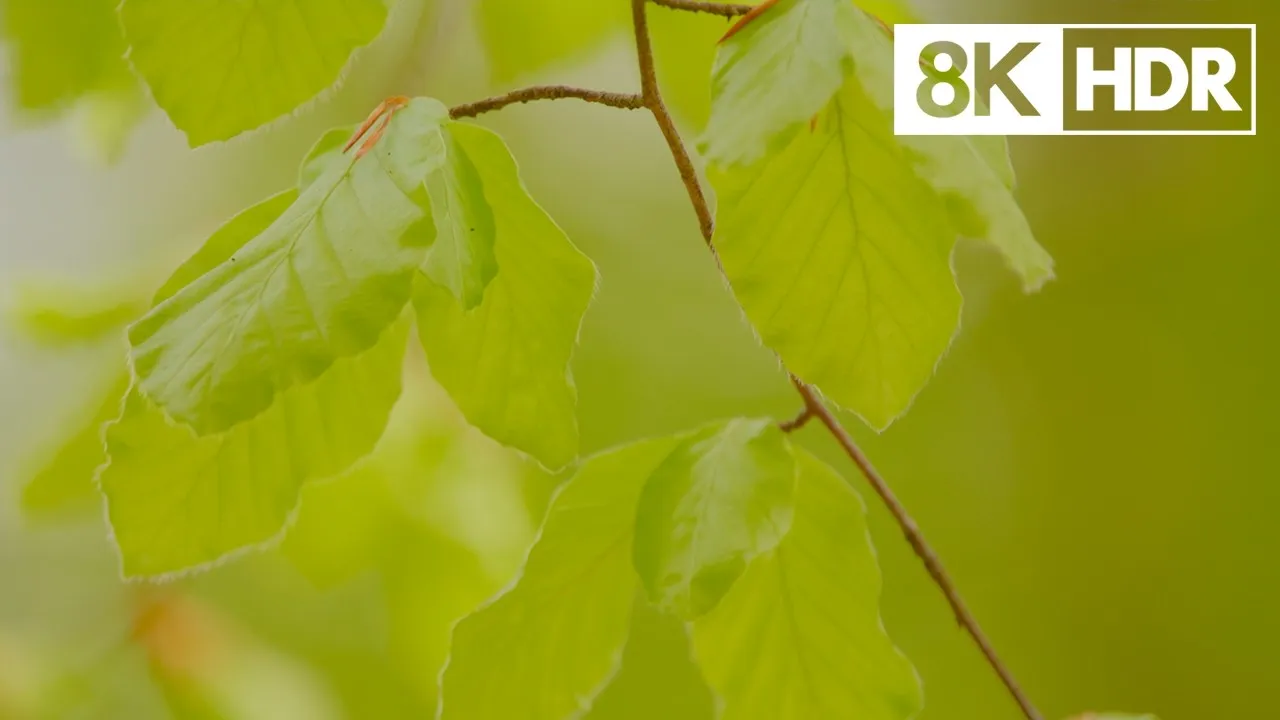
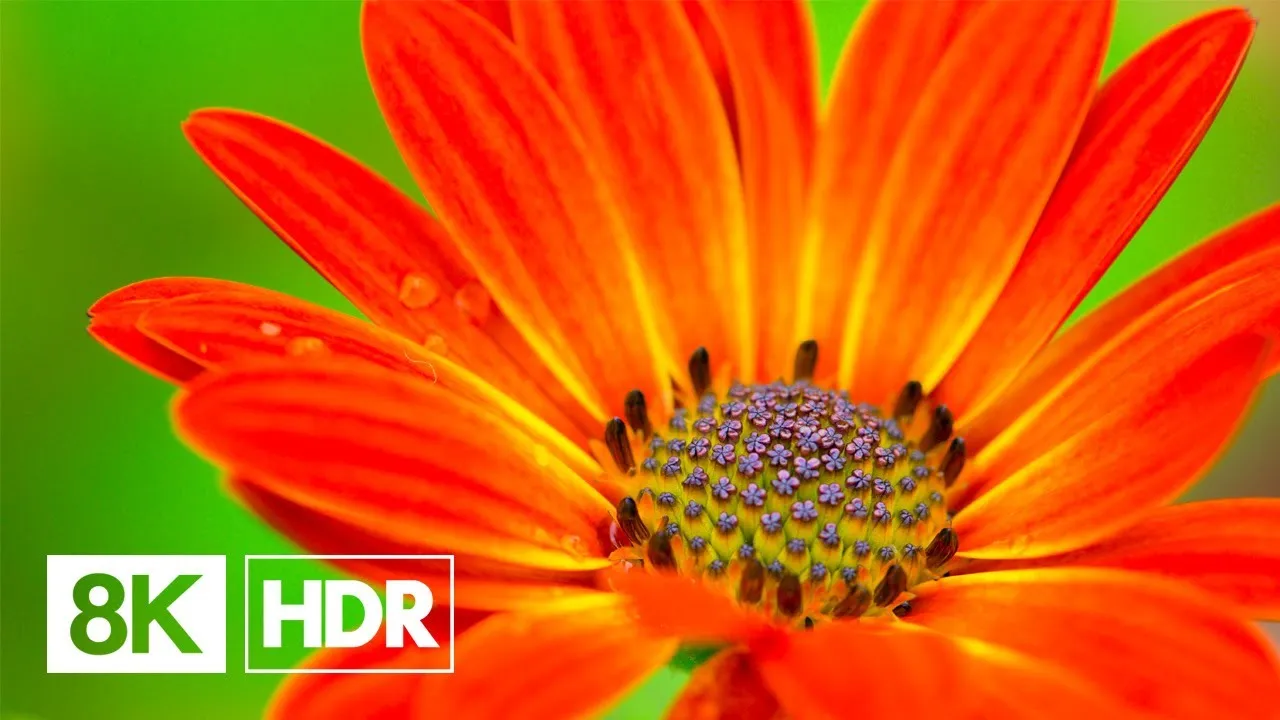

What you see in HDR, up to 8K
Nature looks real when the small things are there: bark, individual hairs, wet leaves. Your eye reads those details to decide whether a picture feels like a place.
- 33 MP
- An 8K frame (7680 × 4320) holds about 33 million pixels, four times as many as a 4K frame. In the YouTube player this is 4320p. On a TV, the YouTube app also has to support 8K.
- 107 lp/mm
- Lenses are rated by MTF: the contrast they keep at a given number of line pairs per millimeter. 8K on a 36 mm wide sensor needs about 107 lp/mm. The sensor can only record what the lens delivers, which is why I choose sharp lenses like the Sigma Art and Canon L series.
- 12-bit+
- Raw files from Canon and RED cinema cameras are 12-bit or more, which is 4,096 or more steps between shades. That keeps gradients in skies and foliage smooth. YouTube HDR plays in 10-bit with the wide Rec.2020 color space.
- 16+ stops
- Latitude is the range from deep shadow to bright highlight that a camera records. Canon rates the C70 at 16+ stops and RED rates the Monstro at 17+ (manufacturer figures). HDR carries that range to your screen, so a bright sky and a shaded forest floor both keep their texture.
Resolution
Sharpness
Color
Latitude
Kit
Behind the scenes
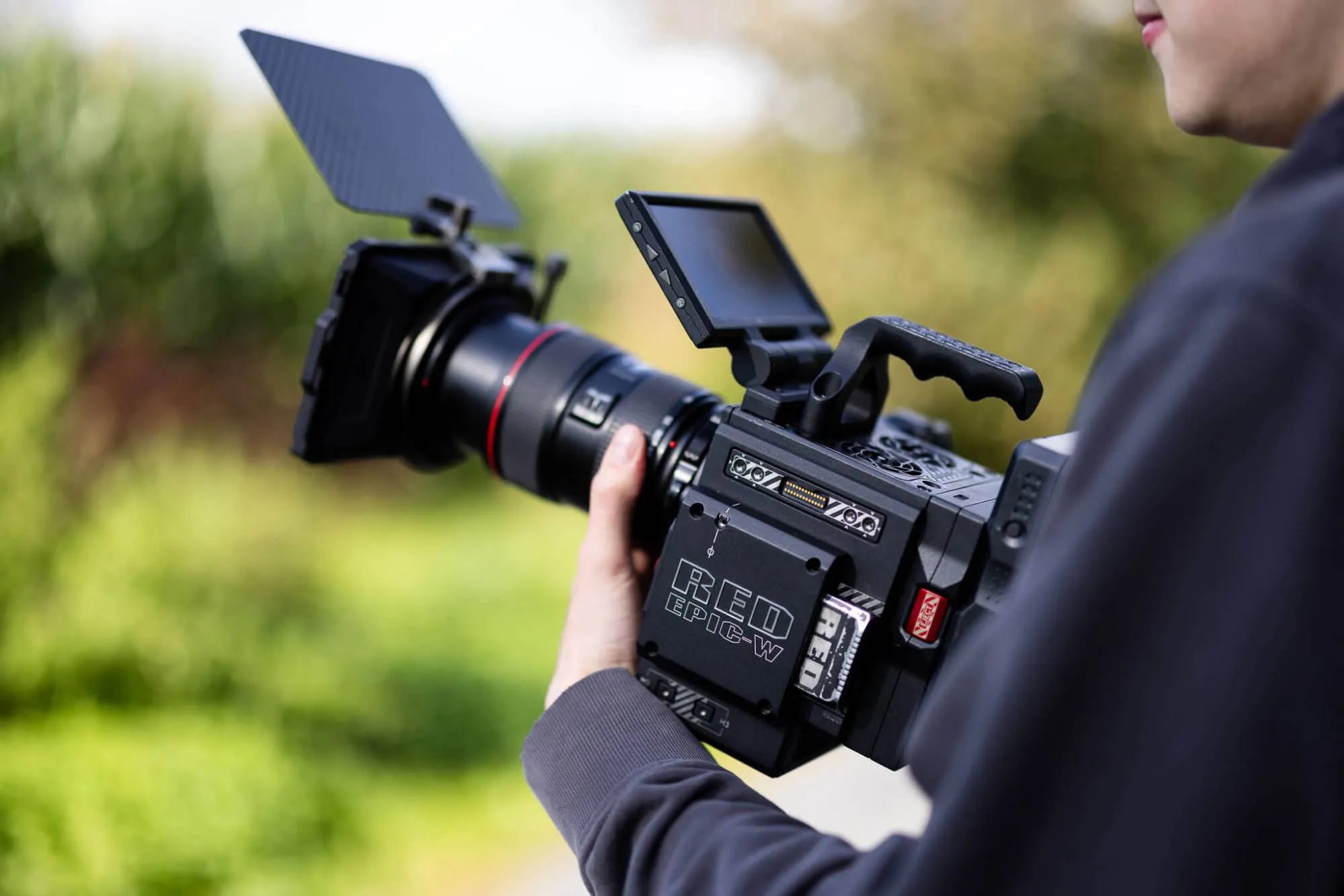
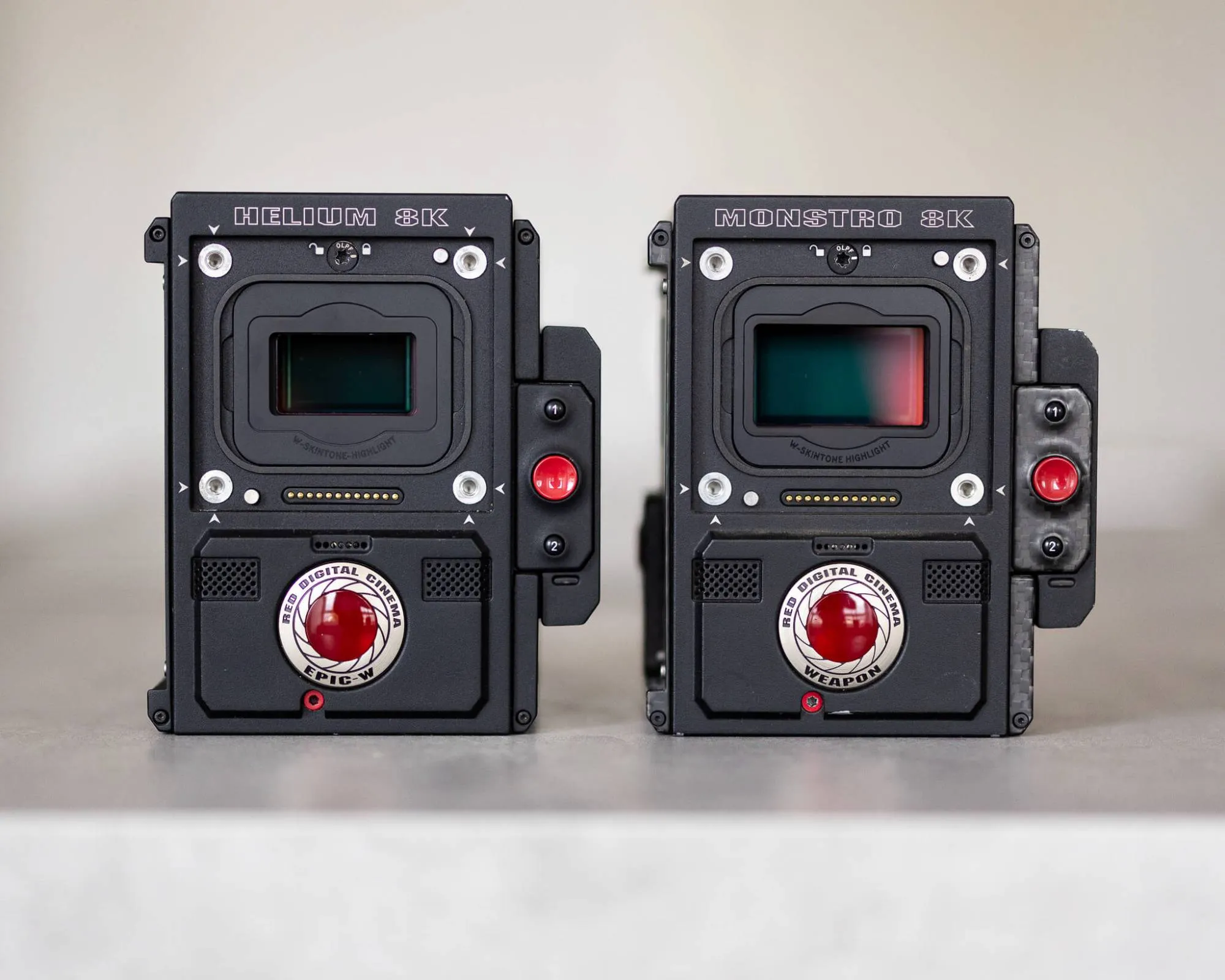
For years I shot with RED DSMC2 bodies: the Epic-W Helium, the Gemini and the Monstro. They suit planned shoots, where I control the schedule and the place.
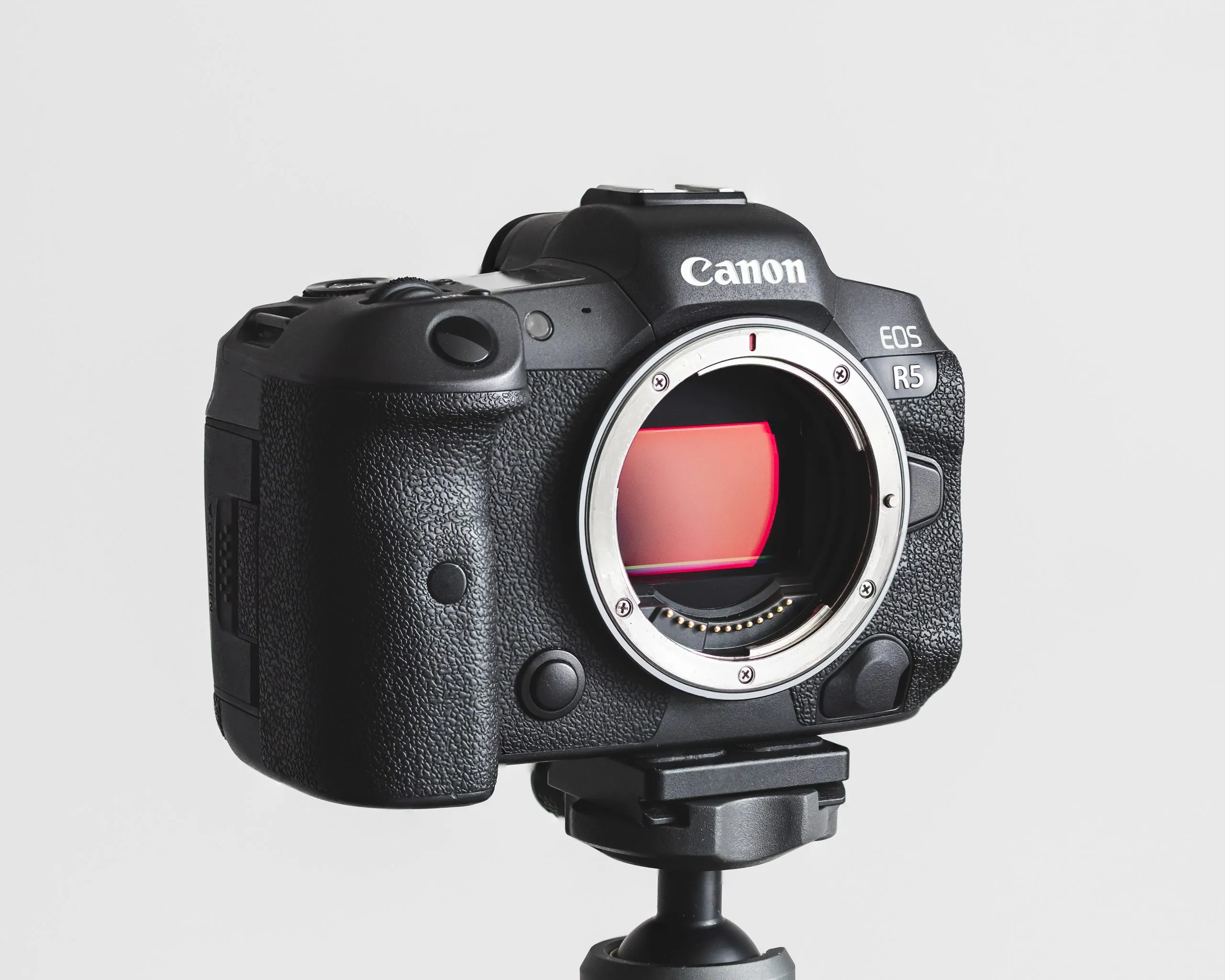
I also shoot with a Canon C70, which I bought used for 400 euros. It has autofocus and takes ordinary SD cards. The Canon R5 Mark II covers photo and everyday video.